
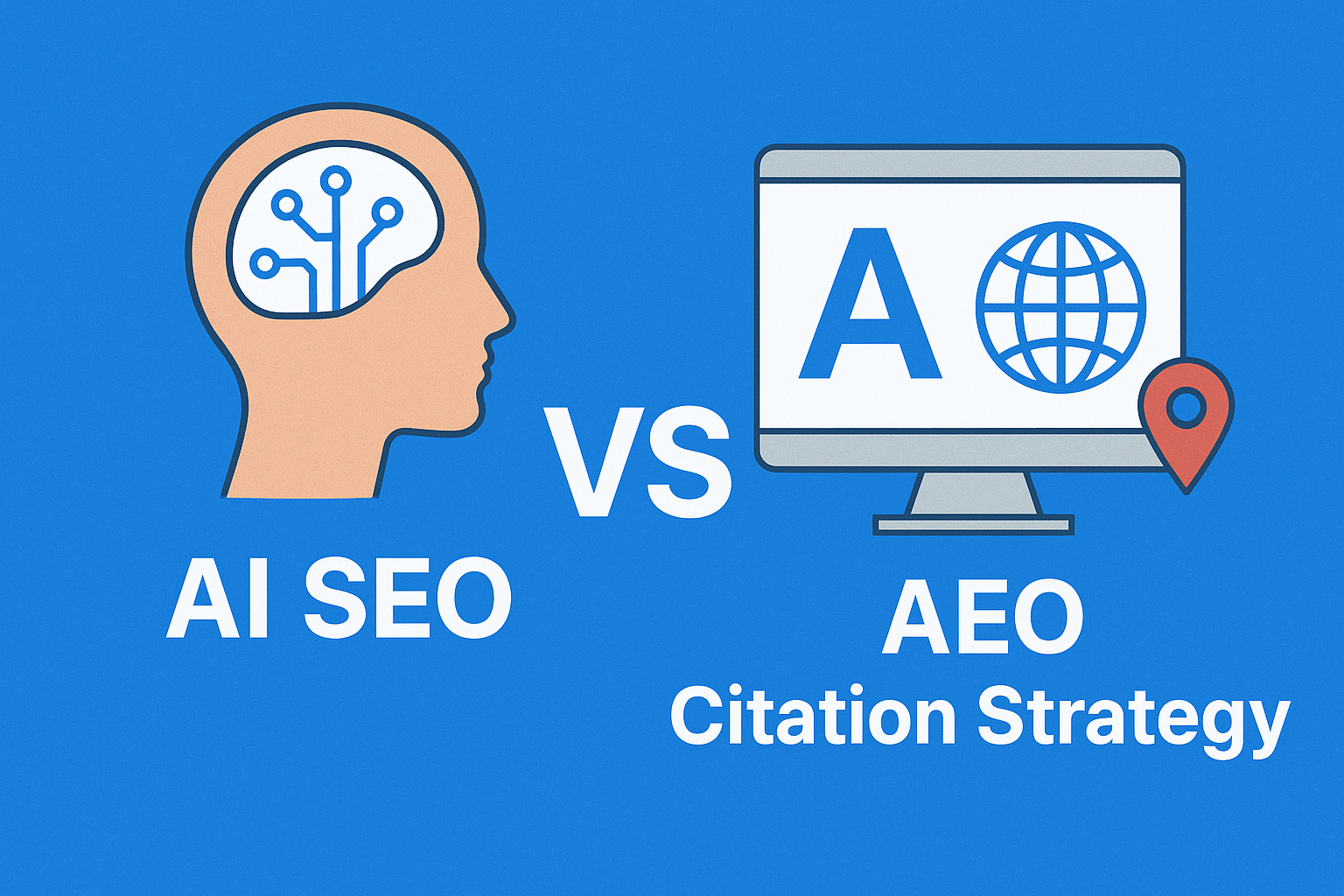
Only 12% of AI Assistant Citations Align with Google’s Top 10—What It Means for AEO and Your Strategy
In a study of 15,000 long-tail prompts, only around 12% of URLs cited by AI assistants (such as ChatGPT, Gemini, Copilot, and Perplexity) are also ranked in Google’s top 10 results for the same query. This gap highlights the necessity of building broader content strategies—beyond chasing traditional rankings—to increase visibility in AI-powered search.
Key Findings: Beyond Ahrefs’ Numbers
- Only 12% of AI assistant citations overlap with Google’s top 10—a clear signal that being rank‑one isn’t enough for AI visibility. Ahrefs
- Perplexity stands out: nearly 1 in 3 AI citations appear in Google’s top 10, showing its alignment to traditional SEO. Ahrefs
- AI Overviews pull 76% of their citations from top‑10 pages, showing that in overviews, SERPs still matter. AhrefsSmasan
- Yet, some AI sources cite content that doesn’t rank at all, revealing opportunities for under-the-radar visibility. SEO Site Checkup
- Citation accuracy remains poor: AI search engines fail over 60% of the time in citation reliability tests. Perplexity lowest at 37% incorrect, Grok‑3 highest at 94%. Nieman LabJudgy
What This Means for AEO Strategy at SEO Marketing Agency
AI Doesn’t Mirror SERP—Create Content That AI “Understands”
AI-assistants cite sources based on context, structure, and clarity—not just rank. Develop content around conversational queries rather than exact keywords.
Example Prompt:
User asks: “What’s the fastest way to improve SEO with AI?”
Traditional SEO content might target “AI SEO improvements.” But an AI assistant prefers a direct, step-by-step answer beginning with a clear summary and schema markup.
Leverage Query “Fan-Out” Effect
AI often expands the original query into related variants. Optimize for clusters: “how to optimize content for AI answers,” “answer engine optimization tips,” “FAQ schema for AI visibility.”
Example: Create a Q&A hub:
- Q1: What is Answer Engine Optimization (AEO)?
- Q2: How do schema + FAQ help with AI discovery?
- Q3: Why might AI cite lower-ranked content?
Each answer is short, about 40–60 words, then expanded below for depth.
Use Structured Data Strategically
Employ FAQ, How‑To, and Q&A schema to make AI parsing easier.
Visual Reference: The second image (Schema Markup value framework) illustrates how structured data builds a semantic content graph—crucial for both SEO and AI visibility.
Concrete Example:
<script type=”application/ld+json”>
{
“@context”: “https://schema.org”,
“@type”: “FAQPage”,
“mainEntity”: [{
“@type”: “Question”,
“name”: “What is Answer Engine Optimization (AEO)?”,
“acceptedAnswer”: {
“@type”: “Answer”,
“text”: “AEO is optimizing content so AI assistants can easily parse and cite it—using concise, structured, and authoritative answers.”
}
}]
}
</script>
Balance Authority with Clarity
AI favors clear, direct answers over overly complex or “fluffy” content—even if it’s authoritative. SEO Site Checkup
Example Rewrites:
- Weak: “Our comprehensive AI SEO roadmap revolutionizes organic growth.”
- Strong (40–60 words): “AI SEO means crafting concise content that answers user intent upfront in plain language. Use FAQ schema, clearly formatted bullet points, and authoritative citations to become an AI assistant’s go-to answer.”
Capitalize on Low-Citation Accuracy—Take Back Visibility
With a 60% citation failure rate, there’s room to assert quality. Encourage content clarity and citation support to outshine hallucinated answers. Nieman LabJudgy
Pro Tip: Use a fallback or verification note: “According to [Citation], …”. Being correctly cited—even once—can elevate your brand’s perceived trust.
Top Rank = Higher AI Visibility (But Not Enough)
Ranking #1 gives you a 33% chance of appearing in AI Overviews. But still, 40–50% of AI-cited sources come from top‑10 SERPs. AI Technology News
Combine traditional SEO with AEO: Optimize ranking while structuring content for AI.
User Insights from the Field
“I analyzed common audience questions, wrote 40–60 word direct answers, added FAQ and How-To schema. Then traffic increased.”
— A real-world AEO success story Reddit
“Focus on question-based keywords, FAQ schema… Let’s see what happens.”
— Another practical AEO insight Reddit
These strategies show that AEO isn’t just theory—it’s actionable and results-driven.
Summary Table: SEO vs. AEO
| Objective | Traditional SEO Focus | AEO-Optimized Focus |
| Targeting | Specific keywords | Conversational phrases & question clusters |
| Content Structure | Long-form articles | Concise answers + structured schema |
| Ranking Goal | SERP top positions | AI assistant citations + SERP presence |
| Visibility Strategy | Backlinks, authority building | Clarity, relevance, schema |
| Content Style | Dense and comprehensive | Direct, conversational, easily parsable |
| Citation & Trust | Human readability | AI trust through structure & authority |
Final Thoughts
While traditional SEO remains vital, the landscape is shifting. AI assistants create content visibility in entirely different ways—sometimes citing obscure but well-structured pages with clear answers. To stay ahead:
- Optimize for AI-readability, not just rank.
- Use schema: FAQs, How-Tos, Q&A formats.
- Prioritize clarity and brevity.
- Support with citations and trust signals.
- Blend SEO and AEO for maximum reach.
Need help turning your service pages into AEO-optimized hubs? We SEO Marketing Agency™ happy to help draft them or build structured content with examples for your AI SEO offerings.

Leave a Reply